
Apps & Profiles
The distance radius decides more than your stated preferences
One slider silently determines most of who you will ever see. Almost nobody thinks about it after setup.
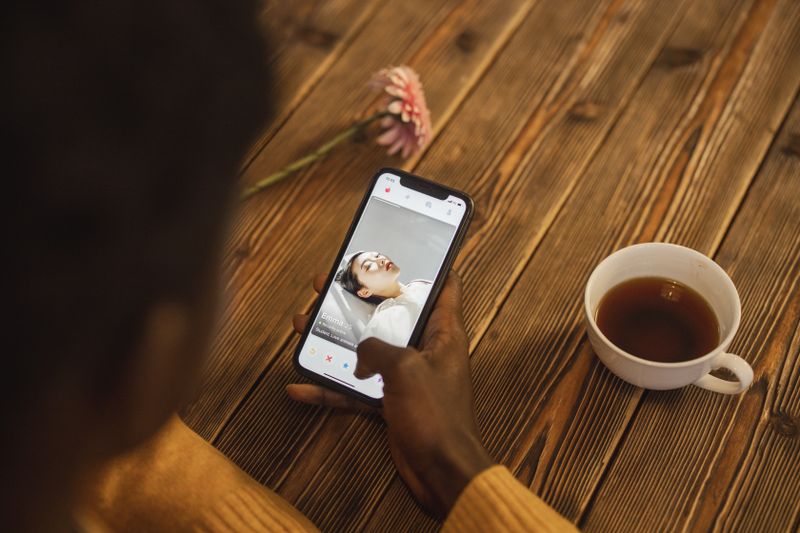
Comparisons of distance settings usually pick a winner. This one picks the circumstances, which is more useful.
The difference in one place
- Population density changes what any given radius means.
- Widening the radius adds people you are less likely to actually meet.
- Travel tolerance is a genuine compatibility factor and rarely discussed.
A radius is a population, not a distance
Twenty kilometres in a dense city may contain hundreds of thousands of eligible people; the same radius in a rural area may contain a few hundred. That single fact explains most of the difference between how the same app feels in different places. People in low-density areas often conclude their profile is failing when the constraint is arithmetic.
Comparing your experience to somebody in a city is comparing two different products.
Widening trades relevance for volume
Extending the radius adds profiles, and the added profiles are by definition the ones hardest to meet. Matches at ninety minutes' travel produce enthusiastic conversations and very few second dates, because the cost per meeting is high. If you widen, it is worth being honest with yourself about whether you will actually make that journey on a Tuesday.
A smaller radius with a better profile usually beats a larger one with the same profile.
Where you are shown is not where you live
Most apps locate you by your device, so commuting, travelling for work or spending weekends elsewhere shifts your pool without you noticing. This produces the common confusion of matching with someone who turns out to live nowhere near you. Some platforms let you set a location manually, which is useful before a move and misleading if you leave it set.
Stating in the profile where you are actually based resolves the ambiguity in one line.
Distance is a compatibility question
Two people can genuinely differ on what counts as far, and that difference predicts how often you will see each other more than enthusiasm does. Someone for whom a forty-minute journey is routine and someone for whom it is an expedition will interpret the same relationship differently. Raising it early — how often do you imagine seeing someone, realistically — is a short conversation that saves several months.
Transport matters as much as distance: a direct train changes the calculation completely.
Filters compound faster than they feel
Each additional filter multiplies rather than adds, so a modest set of preferences can cut a pool by an order of magnitude. Age ranges are the usual culprit, particularly where the range is narrow and the height or education filters are also on.
Loosening one filter for a fortnight is a cheap experiment and often more informative than rewriting the bio. The filters worth keeping are the ones tied to something you genuinely will not compromise on, such as wanting children.
If you are worried about your safety, talk to someone rather than an article.
Relocation honesty
People planning to move within the year should say so, because it changes what somebody is agreeing to. Matching widely in a city you intend to leave produces a predictable and avoidable disappointment on both sides.
Most of the time, long-distance from the start is workable when both people know it from the start, which is a different situation from discovering it later. One sentence in the profile does all of this work.
Side by side
| Consideration | What it means in practice |
|---|---|
| A radius is a population, not a distance | Population density changes what any given radius means. |
| Widening trades relevance for volume | Widening the radius adds people you are less likely to actually meet. |
| Where you are shown is not where you live | Travel tolerance is a genuine compatibility factor and rarely discussed. |
The takeaway
Set the radius to the journey you would actually make on a Tuesday, and say where you really live.
The right person will not need you to be strategic about it.
Questions readers ask
What radius should I set?
Whatever distance you would genuinely travel on an ordinary weeknight. Setting it wider than that mostly generates conversations that stall at the logistics stage.
Should I use a location-change feature before moving?
It can be useful in the weeks before a move if you say so in the profile. Leaving it set while living elsewhere wastes everybody's time.


